What is hernia pain like?
By Dr. Arevalo on December 15, 2025
Read more
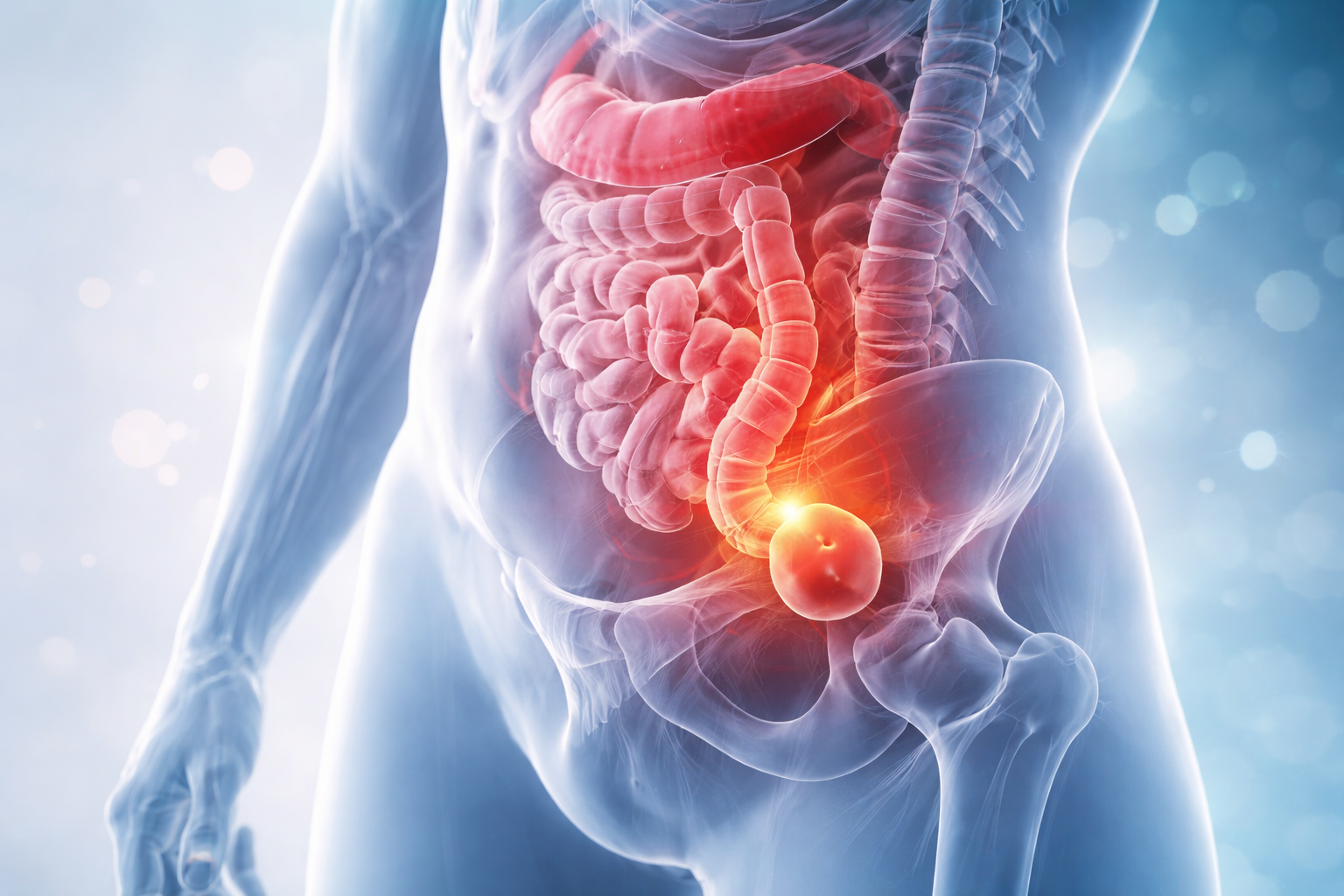
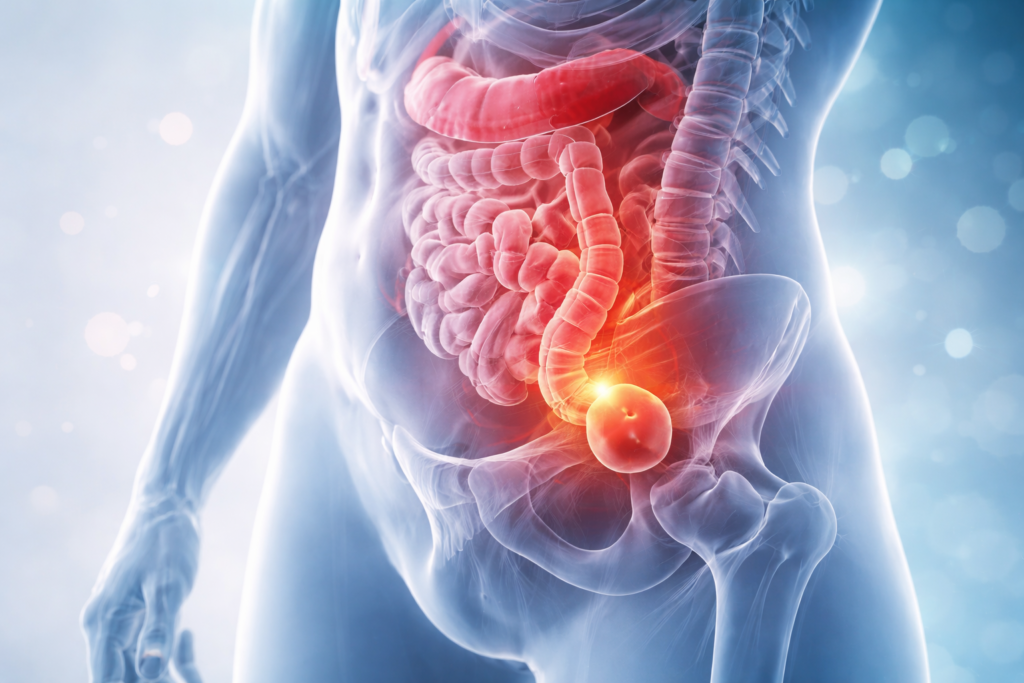
Hernias occur when an internal organ or tissue pushes through a weak spot in the surrounding muscle or connective tissue. The discomfort is often described as a pressure or dull ache in the area of the bulge. Cleveland Clinic notes that people may feel pressure, a dull ache or pinching when the hernia comes out, especially when straining, lifting, laughing or coughing . Many hernias develop in the abdomen or groin and create a visible or palpable lump that becomes more noticeable when you stand up or engage your abdominal muscles . Not all hernias cause pain; some are discovered during routine physical exams .
Typical pain patterns and sensations include:
Different types of hernias produce distinct patterns. Hiatal hernias, which occur when the upper stomach pushes through the diaphragm into the chest, often manifest as acid reflux, heartburn or chest discomfort . Because hiatal hernias are hidden inside the chest, there is no external bulge. Umbilical and incisional hernias usually create a lump near the navel or previous surgical scar . Femoral hernias present as a lump or pressure in the upper thigh and may be more common in women .
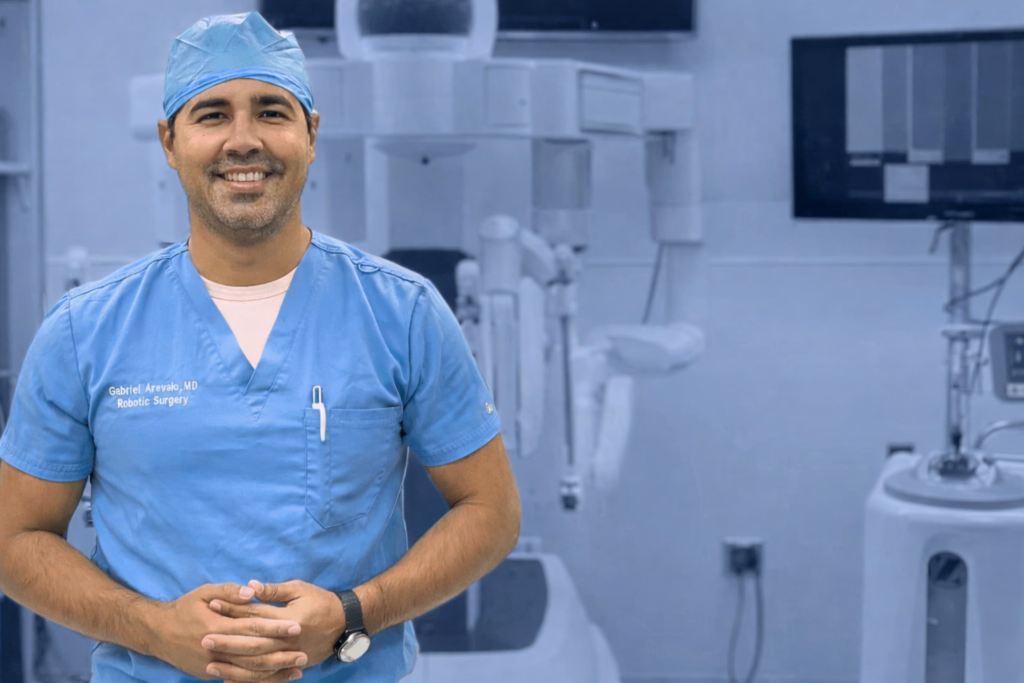
Understanding how hernia pain feels helps patients differentiate it from other causes of abdominal or groin pain, but it is not a substitute for a medical evaluation. Persistent or worsening discomfort warrants consultation with a specialist. In Houston, patients can reach out to Dr. Gabriel Arévalo—a board‑certified surgeon with advanced training in robotic and open hernia repair—to discuss their symptoms and treatment options .
Table of Contents
The most recognizable sign of a hernia is a visible or palpable bulge. A hernia may appear when you stand, cough or strain and disappear when you lie down. Cleveland Clinic advises that if the same activity routinely causes the same symptoms—such as a bulge or aching at a specific spot—it is likely a hernia . However, hernias vary by type and may not always produce a lump. Femoral or hiatal hernias can be hidden and require imaging for diagnosis .
Key signs that suggest your pain may be from a hernia:
Differentiating hernia pain from a muscle strain can be challenging because both cause aching or burning sensations in the groin or abdomen. Harvard Health explains that groin strains typically occur after a sudden twisting movement and often improve with rest, whereas hernias create a persistent or intermittent bulge that does not heal on its own . The Center for Hernia Repair notes that a pulled groin muscle lacks a bulge and may be accompanied by bruising (black‑and‑blue discoloration) . Muscle strains often resolve within weeks, while hernias persist or worsen over time .
If you suspect a hernia, schedule an exam with a qualified physician. Dr. Arévalo and his team in Houston can perform a physical examination and order imaging (ultrasound or CT scan) if needed . Early diagnosis ensures you receive appropriate care and reduces the risk of complications.
Hiatal hernias are known for causing gastrointestinal symptoms such as heartburn, indigestion and chest discomfort because part of the stomach slides through the diaphragm. Back pain is less common but can occur in certain circumstances. HealthCentral explains that a hiatal hernia can cause pressure in the upper abdomen and lower chest, and that discomfort can sometimes radiate to the back . Bariatric surgeon Dr. Mir Ali notes that excessive coughing or nerve irritation from a hiatal hernia may contribute to back pain . However, hiatal hernias rarely cause back pain on their own; underlying spinal conditions, degenerative joint disease, or herniated discs are more common causes of back pain .
Takeaways on hiatal hernias and back pain:
In summary, while hiatal hernias primarily cause digestive symptoms, they can occasionally lead to upper‑back discomfort. Discuss unusual symptoms with a doctor to rule out other conditions and to determine the best treatment plan.
Self‑examination can offer clues but cannot replace a professional evaluation. The goal is to identify a bulge that appears with increased abdominal pressure and disappears when lying down. According to surgeon Michael Stechman, FRCS, from Top Doctors UK, hernias usually disappear when you lie flat; if a lump vanishes when you’re in bed but reappears when you stand, it is “for sure a hernia” . He also notes that the earliest warning sign of a hernia is a swelling in the abdominal area .
Self‑check basics:
While these steps can help you spot a potential hernia, self‑diagnosis has limitations. Some hernias—especially femoral, obturator or spigelian hernias—lie deep within muscle layers and may not produce an obvious lump . Additionally, a groin strain, lipoma or swollen lymph node can mimic a hernia. If you notice any suspicious bulge or persistent pain, schedule an appointment with Dr. Arévalo or another specialist for a proper examination and imaging.
Yes. Hernia pain often fluctuates depending on activity and body position. Harvard Health notes that hernia pain may come and go . This intermittent pattern occurs because the protruding tissue slides in and out of the weak spot. Several factors influence whether you feel pain:
Importantly, even when pain subsides, the underlying defect in the abdominal wall does not heal spontaneously. Without treatment, hernias tend to enlarge over time and may become more symptomatic . If you experience recurrent discomfort or notice a growing bulge, consult a specialist. In Houston, Dr. Arévalo offers minimally invasive and robotic hernia repair options that minimize post‑operative pain and speed recovery .
Several conditions mimic hernia symptoms. The Docus.ai symptom guide explains that gastrointestinal issues, muscular strains, gynecological problems and other disorders can present with similar pain, bloating or bulges . Understanding these differential diagnoses helps patients avoid misdiagnosis.
A pulled abdominal or groin muscle can feel like a hernia. Muscle strains often result from overexertion or sudden movement and are characterized by pain that worsens with motion of the affected muscle and improves with rest . Unlike hernias, muscle strains do not produce a bulge and typically heal within weeks .
In women, ovarian cysts, fibroids and endometriosis can cause lower abdominal or pelvic pain that may be mistaken for a hernia . Ovarian cysts often produce menstrual irregularities, urinary changes or bowel symptoms . Fibroids cause heavy menstrual bleeding and pelvic pressure . Endometriosis is associated with severe menstrual cramps and pain during intercourse . The Surgical Clinic notes that hernia pain in women can also be confused with endometriosis or ovarian cysts and that lack of a visible bulge makes diagnosis more challenging .
Because so many conditions can mimic a hernia, a medical evaluation is essential. A physical exam and imaging tests, such as ultrasound or CT scan, help differentiate hernias from other causes .
A hernia can become a medical emergency if it becomes incarcerated (stuck) or strangulated (blood supply cut off). Cleveland Clinic warns that a strangulated hernia is life‑threatening because the trapped intestine may die . Recognizing emergency signs and seeking prompt care can save your life.
Emergency signs of a strangulated or obstructed hernia:
If you experience any of these symptoms, call 911 or go to the nearest emergency department immediately . Strangulated hernias require prompt surgical intervention to prevent tissue death and sepsis .
These symptoms indicate that your hernia may be worsening and should be evaluated by a surgeon. Elective hernia repair performed before complications develop results in quicker recovery and lower risk.
Houston is home to world‑class medical centers, including Houston Methodist hospitals and the Texas Medical Center. When dealing with a hernia, choosing a local specialist who understands regional health‑care resources can make a significant difference in your outcome. Dr. Gabriel Arévalo is a board‑certified general surgeon in Houston with advanced certification in robotic surgery and endoscopy . According to his practice website, he is among the few physicians in Houston capable of performing robotic and open advanced hernia repairs for large and complex hernias . He also offers endoscopic treatments for reflux and other gastrointestinal conditions, making him uniquely qualified to address hiatal hernias .
Dr. Arévalo’s team also collaborates with other Houston specialists, ensuring that underlying conditions (such as GERD, IBS or gynecological issues) are addressed alongside hernia repair. With access to state‑of‑the‑art diagnostics and a patient‑centered approach, his practice provides both compassionate care and surgical excellence.
Hernia pain often feels like pressure or a dull ache near the bulge. It may worsen with lifting, coughing or bending. Some hernias are painless.
A hernia usually produces a bulge that appears when standing or coughing and disappears when lying down . A pulled muscle lacks a lump, may show bruising and improves with rest.
Hiatal hernias primarily cause acid reflux and chest discomfort, but pressure from the hernia can occasionally radiate to the back . Persistent back pain often has other causes.
Self‑checks can identify a bulge, but many hernias are hidden or mimic other conditions. Always seek a professional evaluation to confirm the diagnosis and plan treatment.
Yes. Hernia pain often fluctuates with activity, body position, time of day and meal size . Even when symptoms improve, the hernia remains present and may worsen over time.
Gastrointestinal issues (IBS, gastritis, GERD), muscular strains, gynecological conditions (ovarian cysts, fibroids, endometriosis), lipomas and diastasis recti can all mimic hernia symptoms . A medical examination helps differentiate these.
Seek immediate care if you have sudden severe pain, a bulge that does not reduce, skin color changes over the bulge, nausea or vomiting, fever, or inability to pass gas or stool . These signs indicate a possible strangulated hernia, which is life‑threatening.
Hernias are common and often manageable when treated promptly. If you live in Houston, Texas or the surrounding area and are experiencing any of the symptoms described above, don’t ignore them. The longer a hernia is left untreated, the more likely it is to enlarge or become incarcerated . Dr. Gabriel Arévalo offers compassionate, cutting‑edge care at Houston Methodist Willowbrook Hospital and is one of the few surgeons in Houston experienced in robotic and complex hernia repair .
Take the first step toward relief today. Call 281‑737‑0869 or schedule a consultation to discuss your symptoms and learn which treatment options are right for you. Your health and comfort are our top priorities.